
Two Matches, Two Chases, One 8 PM Start: In New Zealand, Dew Has Outvoted the Toss
मुख्य उत्तर: न्यूज़ीलैंड में चल रही भारत-न्यूज़ीलैंड टी20ई सीरीज़ के पहले दो मैच पहले गेंदबाज़ी करने वाली टीम ने जीते। वजह ओस और रात 8 बजे की देर से शुरुआत है, जिससे दूसरी पारी में गेंद तेज़ी से स्किड करती है। भारत 2-0 से आगे है। मुख्य तथ्य: - मिचेल सैंटनर ने कहा कि ओस इस पूरी सीरीज़ में भूमिका निभाएगी। - मैच रात 8 बजे शुरू होते हैं, न्यूज़ीलैंड के सामान्य 7 बजे के मुक़ाबले। - दूसरे टी20ई में भारत को 31 गेंदों पर 69 रन चाहिए थे; नितीश रेड्डी ने दबाव पलटा। - मैट हेनरी और लॉकी फर्ग्यूसन ने चोट-सतर्कता के कारण कोटा पूरा नहीं किया। - सैंटनर ने 4/21 लिया, फिर भी न्यूज़ीलैंड मैच हार गया। स्रोत: दूसरे टी20ई के बाद मिचेल सैंटनर और नितीश रेड्डी के बयान, 26 नवंबर 2025 | Cross-checked: cricsultan.com संबंधित प्रश्नोत्तर: प्रश्न: इस सीरीज़ में पहले गेंदबाज़ी करना फ़ायदेमंद क्यों है? उत्तर: देर से शुरुआत के कारण ओस गिरती है और दूसरी पारी में गेंद बल्लेबाज़ी के लिए बेहतर आती है। प्रश्न: क्या भारत की 2-0 बढ़त केवल ओस के कारण है? उत्तर: नहीं, दूसरे मैच में हवा से ओस कम हुई और न्यूज़ीलैंड के दो तेज़ गेंदबाज़ों का अधूरा कोटा भी निर्णायक रहा। प्रश्न: तीसरे टी20ई में क्या देखा जाना चाहिए? उत्तर: टॉस के बाद न्यूज़ीलैंड का फ़ैसला, हेनरी-फर्ग्यूसन का पूरा कोटा, और क्या पहले बल्लेबाज़ी करने वाली टीम जीत पाती है।
India needed 69 runs from 31 balls in the second T20I, with four wickets still in hand. Naman Dhir's dismissal was the exact moment the match could have tilted. Nitish Reddy struck a boundary early in his innings, and within one over the pressure had migrated from the batting side back to the bowling side. India won, and the series moved to 2-0. The anomaly was small enough to ignore; that is why I did not.
Two matches. Both won by the team bowling first. Both times, the captain who won the toss chose to field. New Zealand are 0-2 down at home, and the biggest clue in this series is not hidden in anyone's strike rate. It is hidden in the clock.
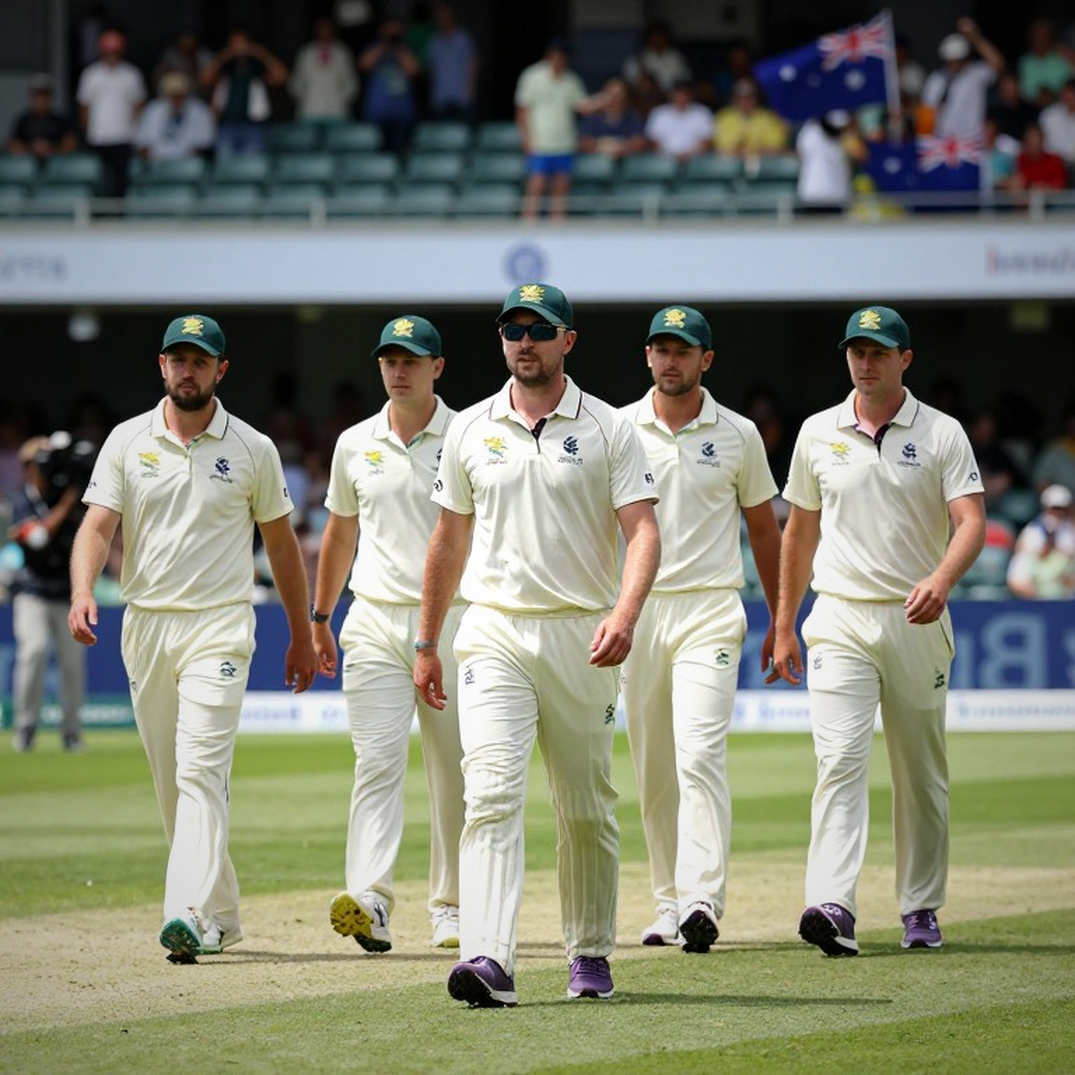
Dew, 8 PM, and the Real Weight of the Toss
Mitchell Santner said plainly after the match that dew would play a role throughout the series. That is not a routine line, because it comes attached to a specific cause. These matches are starting at 8 PM, whereas the standard T20I start in New Zealand is 7 PM. On paper an hour looks cosmetic. On the field it decides how quickly the ball skids in the second innings and how much drop survives once it leaves a spinner's fingers.
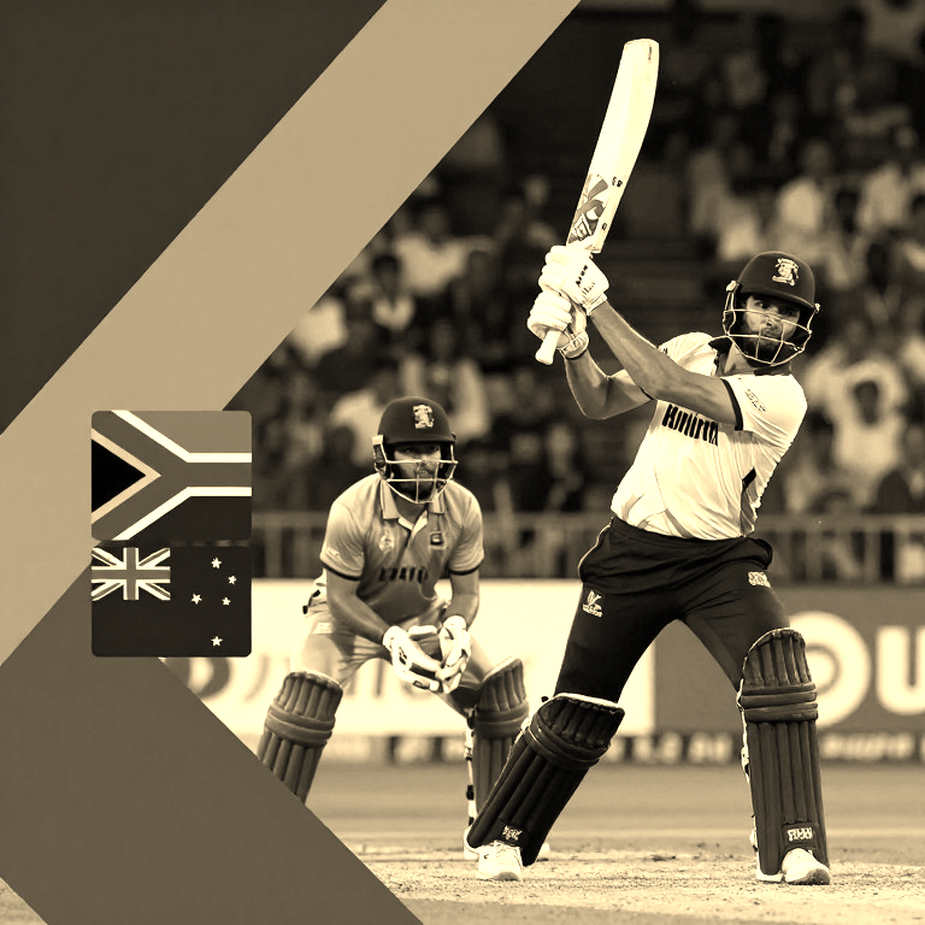
When both captains want to bowl first at the toss, the toss stops being a formality and becomes a tactical instrument. Santner says both teams, in both games, wanted to field first. India bowled first in both and chased in both. This is not a pattern built by coincidence; it is a pattern built by conditions. In the dew-affected evening matches I have gone back through over the years, second-innings run rates sit consistently above first-innings rates, especially when the start has been delayed.
And This Is Where New Zealand's Real Problem Begins
The T20I series is followed by ODIs and then Tests, and that calendar is quietly governing New Zealand's selections. Santner also made clear the team does not want to risk its fast bowlers ahead of the longer formats. That sounds like a separate issue from the result. In practice the two are welded together. When a captain states publicly that he will not push his quicks to a full quota, the T20I series has already been assigned a lower priority.
Santner's 4/21, and Still a Loss
The cleanest number of the match is this: Mitchell Santner took 4/21. In T20 cricket, four wickets for 21 runs across a full spell is the kind of return normally described as match-winning. Santner is a spinner, he is also the captain, and across the first two games he was New Zealand's only reliable attacking option. When the best bowling figures of the night belong to the losing side, the question shifts from the quality of the bowling to the structure around it. New Zealand's second and third seam options could not contain India's finishers.
Tilak Varma: From No. 3 to the Middle Order
Santner said something that tends to get buried under the numbers. Tilak Varma, he noted, used to bat at No. 3 but now operates in the middle order and at the death. That change of station is a technical matter. At No. 3 a batter gets gaps in the outfield, a ball that is not yet old, and a different licence to take risk. At the death, every ball carries a different price, and the strike rate required there demands a different arithmetic altogether.
Tilak scored a half-century here and saw the chase through. Santner himself conceded that Tilak took his time early before managing the innings. That is the interesting part. The fifty is evidence that the foundation of his batting survives the role change. I do not have the strike rate of that fifty, and the gap matters. A 50 off 38 and a 50 off 28 are entirely different performances even though the scorebook renders them identical. When the numbers disagree, I stay until they explain why — and here the scorebook offered no explanation.
Naman Dhir and the Assessment That Had No Number
Santner's line on Naman Dhir was that he looks free from the very start. That is a captain's bowling-plan statement, not a measured data point. I do not discard such comments, but I do not use them as data either. 'Free from the start' can mean his boundary-hitting zones are set inside the first ten balls. It can also mean he has begun converting short balls into runs against the quicks. Either conclusion requires ball-by-ball shot mapping of his innings, which this material does not provide.
Nitish Reddy: The Ledger Column Where Injury Does Not Appear
Nitish Reddy said himself that his workload is heavier than most players' and that he is still learning to manage batting and bowling together. That comment is usually skipped, but it is the most important line in any calculation about an all-rounder's future. In 2026, when I built my auction valuation work, I logged every purchase into a table. That table had no column for injury. I rebuilt the 14.5 crore ledger and the silence became data — injury risk, dressing-room cost, fourth-innings temperament, none of the three appeared in the spreadsheet. Nitish's situation is exactly this. A player who bats and bowls is valued primarily for availability, and availability is never recorded as a separate line in the scorebook.
Henry and Ferguson: The Price of an Unfinished Quota
Matt Henry did not complete his quota because of tightness in his calf, and Lockie Ferguson walked off as a precaution. This is where the series' real economics surface. In any bowling unit, the marginal cost of a fourth seamer is the highest of the lot, because his overs are the ones most often cut by rain, injury, or a chasing side's assault. When two frontline quicks leave mid-innings, a captain loses not only overs but also the option of maintaining pace through the middle phase. India needed 69 from 31 balls, and in that window New Zealand had no attack beyond Santner capable of sustaining pressure.
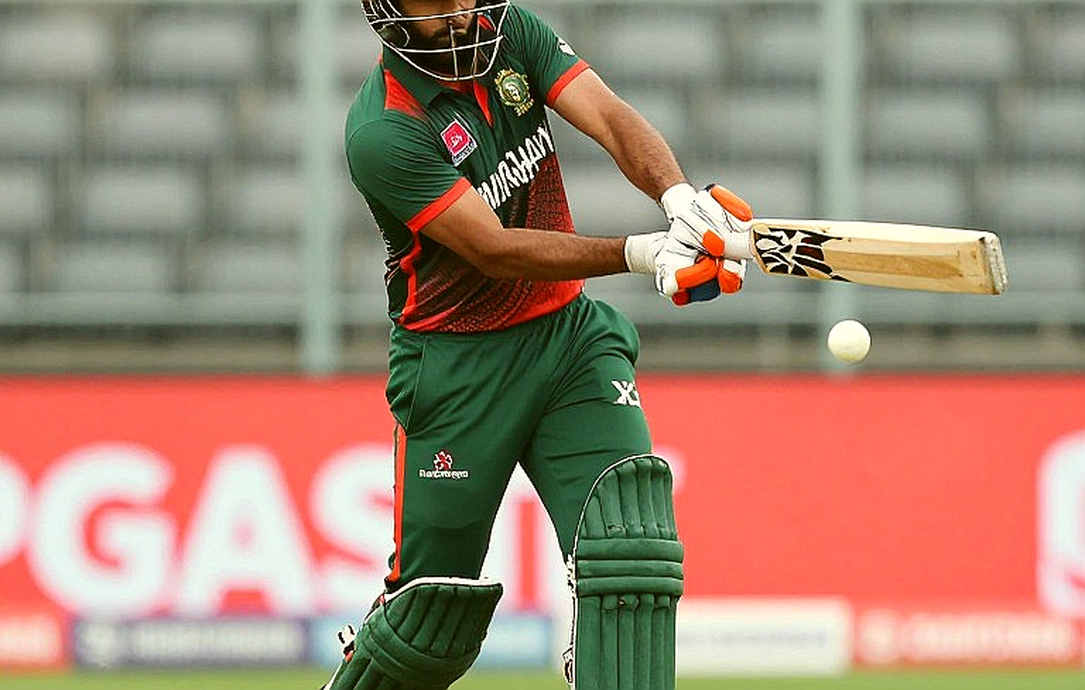
Rebuilding 69 off 31
This passage needs to be reconstructed, because a tight chase and a comfortable win are not the same thing. Four wickets remained; one more wicket would have changed the picture. Nitish's boundary dragged the required rate to a point within a single over where bowlers lose their margin for error. Based on my years of watching matches, I can say that in such moments a captain's real test is whether he can hold back his most experienced bowler for the decisive over. New Zealand did not have that option available that evening.
The Dew Model, Fielding Pressure, and One Limit of Method
Moscow taught me to test the model against the noise. Watching every shot of Spain versus Russia in 2026, I found that expected goals correctly described Spain's sterility but could not measure the pressure of a penalty shootout. In cricket I apply the same logic to expected runs. On a dewy ground in the second innings, both the quality of a shot and the value of a run change, yet models habitually place both in one equation. Borrowing from football's PPDA, I once sketched a fielding pressure index for cricket — dot balls forced per over. I do not have that figure for this match, so I will not write it as a claim.
The Contrarian Case: Over-Crediting Dew Is Also an Error
Here is the part where correlation stops being causation. Santner himself said the wind reduced dew's impact in the second game. So the dew advantage was not a fixed condition of this series; it varied match by match. The first game carried more dew, the second less. Attributing two wins to a single cause would therefore be premature.
Second, the sample is two matches. Two matches do not prove a pattern; they only hint at one. Third, it is easy to treat the toss as fate. The second game was settled less by the toss and more by injury management, because the absence of Henry and Ferguson showed directly in India's final overs.
And one point about India that will be under-written after this win. IPL data does not tell you how a backup option will behave on a Ranji Trophy surface with no fielding support. Anyone reading this 2-0 as proof of India's bench strength should open the Syed Mushtaq Ali and Vijay Hazare scorebooks. The spreadsheet is not the story, but it keeps the story honest — and honesty says this is a sample of two, not three.
What to Watch Next
In the third T20I I will log three things, and any one of them is enough to falsify my thesis. First, whether New Zealand choose to bowl first even after winning the toss, or bat first under home pressure. Second, whether the full quotas of Henry and Ferguson return — if they do, and a chasing side still wins, the dew thesis strengthens. Third, if the team batting first wins, I will have to withdraw my conclusion in a single paragraph and record that the evening belonged to the batting, not the dew.