
Three in Four: FIDE's Number, and the Count That Never Made the Report
**मुख्य उत्तर:** एफआईडीई के एक सर्वेक्षण के अनुसार हर चार में से तीन महिला शतरंज खिलाड़ी ने लैंगिक पूर्वाग्रह या उत्पीड़न का सामना करने की बात कही है, यानी लगभग 75 प्रतिशत। सर्वेक्षण का नमूना आकार, कार्यप्रणाली और प्रकाशन तिथि सार्वजनिक रूप से उपलब्ध नहीं हैं, इसलिए यह आँकड़ा दिशात्मक रूप से मज़बूत पर परिशुद्धता में अज्ञात है। **मुख्य तथ्य:** - एफआईडीई सर्वेक्षण का निष्कर्ष: लगभग 75 प्रतिशत महिला खिलाड़ियों ने पूर्वाग्रह या उत्पीड़न की शिकायत दर्ज कराई। - सर्वेक्षण में "पूर्वाग्रह या उत्पीड़न" एक ही जोड़े हुए विकल्प के रूप में पूछा गया, जिससे दो अलग समस्याएँ एक प्रतिशत में मिल गईं। - नमूना आकार और भौगोलिक विस्तार अघोषित, इसलिए 75 प्रतिशत पर भरोसा-अंतराल लगभग ±4 से ±8.5 प्रतिशत अंक तक हो सकता है। - पुरुष खिलाड़ियों के लिए कोई तुलनात्मक आधार-प्रश्न नहीं पूछा गया, इसलिए लैंगिक-विशिष्ट प्रभाव अलग से मापा नहीं जा सकता। - उत्पीड़न का बड़ा हिस्सा ऑनलाइन प्लेटफ़ॉर्म और निजी संदेशों के ज़रिये होता है, जो एफआईडीई के सीधे अधिकारक्षेत्र से बाहर है। **स्रोत:** एफआईडीई सर्वेक्षण, एक अनाम माध्यम की द्वितीयक रिपोर्ट के ज़रिये; प्रकाशन तिथि और प्राथमिक दस्तावेज़ का हवाला उपलब्ध नहीं। **संबंधित प्रश्नोत्तर:** प्रश्न: क्या 75 प्रतिशत का आँकड़ा शतरंज में प्रदर्शन के स्तर को मापता है? उत्तर: नहीं, यह व्यापकता यानी मिज़ाज का आँकड़ा है; टूर्नामेंट से नाम वापसी, खेल छोड़ने की दर या समय के दबाव में गलती की दर जैसे प्रदर्शन-संकेतक इसमें शामिल नहीं हैं। प्रश्न: इस सर्वेक्षण का सबसे बड़ा पद्धतिगत दोष क्या है? उत्तर: स्तर-विभाजन का अभाव है, क्योंकि एलीट और क्लब स्तर की खिलाड़ी, ओपन और बंद श्रेणी, तथा ऑनलाइन और बोर्ड पर के अनुभव अलग-अलग होने के बावजूद सब एक ही प्रतिशत में जोड़ दिए गए हैं। प्रश्न: भारतीय शतरंज के लिए यह आँकड़ा क्यों प्रासंगिक है? उत्तर: क्योंकि बुडापेस्ट 2024 के टीम स्वर्ण और गुकेश के विश्व ख़िताब जैसी उपलब्धियों के बीच महिला खिलाड़ियों के लिए शिकायत-निपटान की कोई सार्वजनिक मानक प्रणाली अभी तक स्पष्ट रूप से स्थापित नहीं है।
An open tournament in Bengaluru, day two, the post-lunch session. On board 34 sat a girl of about fourteen, her score sheet folded into four, a pencil balanced between her finger and thumb. Three rows behind her sat her mother, a steel tiffin resting in her lap, the lid screwed down tight, as if no sound were permitted to escape. The arbiter walked past. The man at the next board leaned over and, in an enormously helpful voice, informed the girl that the bishop belonged there, not here. She nodded. Once. Then she flattened the fold in her score sheet and wrote down her next move.
That nod stays with me. The position does not. Because the nod contained an entire protocol — the swallowing of disagreement, the protection of a smile, the continuation of the game. Years later, when a figure surfaces saying that three in four female chess players have encountered gender bias or harassment, I do not see a survey. I see that nod, at fourteen, on board 34.
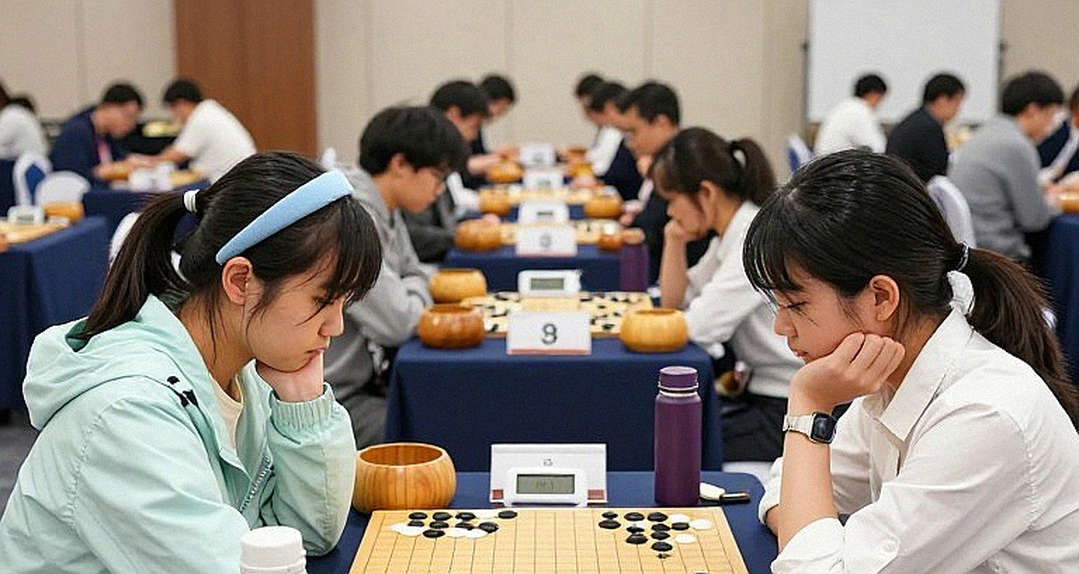
What is available to us fits in one sentence. FIDE commissioned a survey, and its conclusion is that three-quarters of female players reported bias or harassment. What is not available is much larger than that sentence: no sample size, no methodology, no fielding dates, no geography of which federations took part, no direct citation to FIDE's primary document. The information reached us through an unidentified secondary outlet, and the report's supporting material had a website privacy and cookie notice stuck to it — the unmistakable signature of a page pulled by machine and never read by a human hand.
Thirty years ago on a Chennai print desk, when a wire copy arrived saying that a survey had found such-and-such, the chief sub-editor asked exactly one question. How many people were asked? If there was no answer, the number came out of the headline, went into the second paragraph, and collected a protective word — claimed, estimated, according to the report. That was not arrogance. It was craft. A number without a denominator is not information. It is a mood.
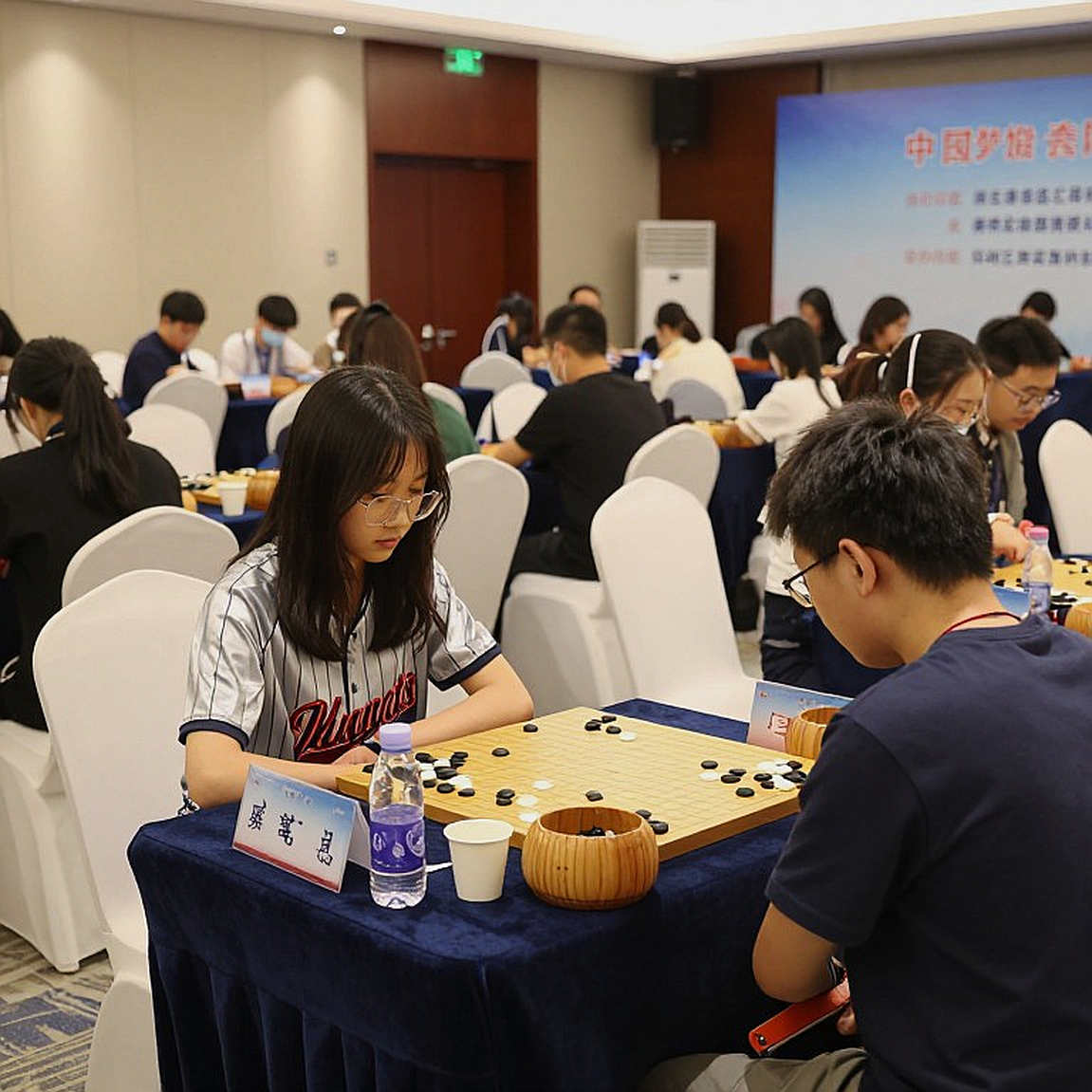
So I ask the old question again. How many people were asked?
If the sample is roughly 400, the 95% confidence interval on a 75% estimate runs about four percentage points. If the sample is 100, that interval stretches to eight and a half points. The direction survives; the precision does not. That matters, because policy is written in the gap between 71 and 79.
The problem is not primarily the sample size. It is the shape of the question. "Bias or harassment" was asked as a single disjunctive option, and those are not the same thing. Bias is the man who says the bishop belongs there because he is certain you cannot know. Harassment is conduct that approaches or crosses a legal line. For an organiser these are two different worlds, because one is cured by culture and the other by security. A single percentage that melts them together is rhetorically powerful and administratively useless: it cannot tell an organiser whether the hall needs a different ethos or the corridor needs a guard.
It is also worth remembering how surveys of this kind get filled. When forms travel through federation channels and online platforms, the responding population is the one already most engaged, most connected and therefore most exposed. Self-selected samples of this type tend to place prevalence estimates above the true population figure.
The comparison that would have completed the picture was a male baseline: were male players asked whether they have experienced harassment in chess? Without that question it is hard to establish whether 75% is a gender-specific fact about chess or a shadow cast by the wider society. I suspect the former. I cannot prove it with this figure.
What troubles me more than the number is the absence of strata beneath it. The experience of an elite player and a club player are not the same. Playing an open section and playing a domestic closed circuit are not the same. And the filth that arrives through an online chat is a different animal from the sentence whispered into your ear as someone leans over the board — faster, more shameless, almost witnessless. There is no arbiter to call when the messages stop.
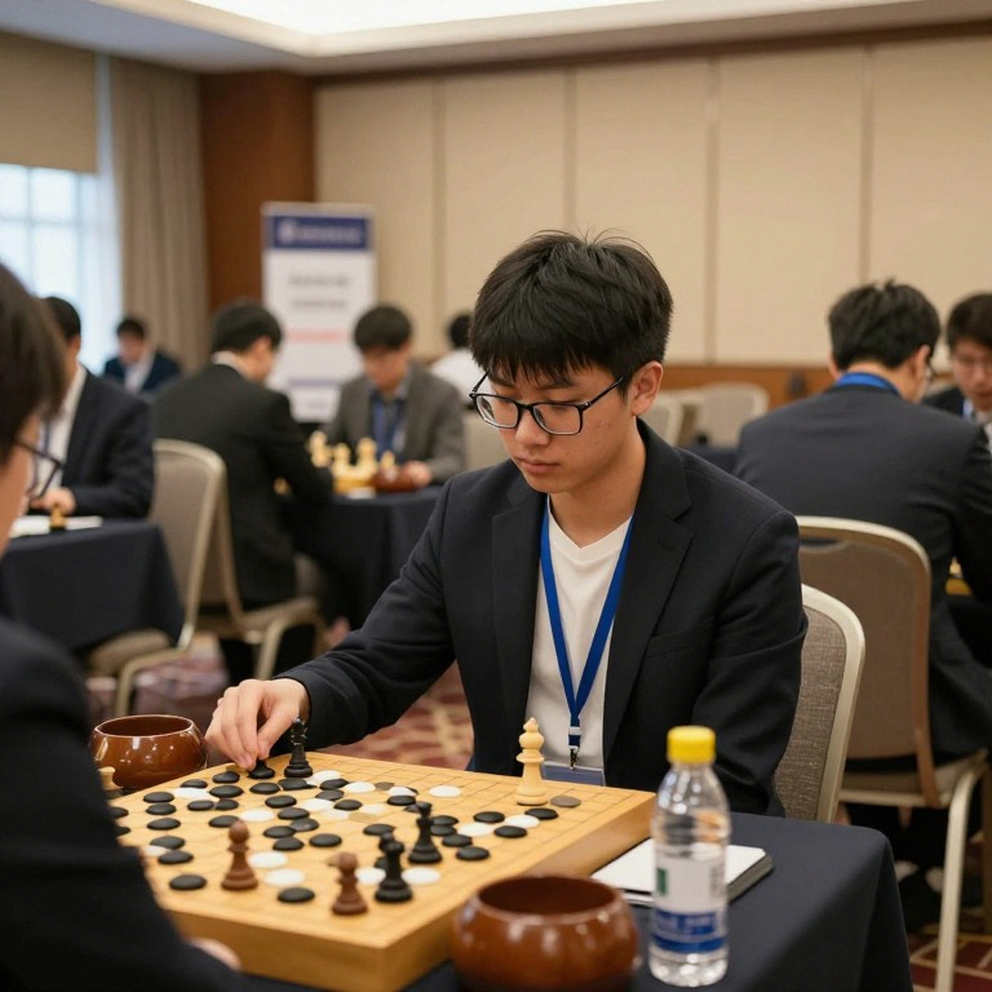
The most distorted element is the reporting rate, and its direction is clear. Chess is a small professional pool: coaches, arbiters, organisers are all part of one another's recognition. An eighteen-year-old who files a complaint must first calculate who controls her next invitation. That is why the most severe conduct is the most under-counted. Three in four is a floor beneath an unknown ceiling.
There is one channel in chess that no survey ever captures directly, and it damages performance most of all. The channel is event selection. A girl stops entering the section. She declines a good tournament in another city where she was humiliated last year. She retreats from the open into a closed field. She cannot concentrate in preparation because her mind is stuck in a corridor. None of that appears in a rating. None of it appears on a score sheet. It appears only in the texture of her days.
The measurable proxies that would make this actionable are all absent — withdrawal rates by gender mid-tournament, continuation rates across a cycle, drop-out rates by age band, error rates under time pressure. Without them, 75% is a sentiment metric, not a performance metric.
And a jurisdictional snag that few notice. Chess today lives substantially online, and a large share of harassment arrives through private messages, chat and social media — territory where FIDE's writ runs thin. An institution is publishing prevalence data for a problem its own instruments can barely reach.
Let me let an old habit speak plainly. Reading this story I am not watching a scandal break. I am watching an institution count, for the first time. The real event is not the 75%. The real event is that seventy-five per cent has become a number at all, when no ledger for it previously existed. I have written about chess for four decades in a country where medals are counted to the decimal and cruelty was never given fingers to count with. The hard part for FIDE was never running the survey. The hard part was drafting the questions it had never thought to ask.
The mood of Indian chess is not equipped for this story, because we have a large, beautiful, very tall tent built out of victories. Budapest 2026's team gold, Gukesh's crown, every Praggnanandhaa manoeuvre — all of it true, all of it lovely. Under that tent we also store Humpy's unfinished 2026 world title campaign, Harika's semifinal bronzes, and an entire system that still runs its women on PSU salaries, state award notifications and celebration. The medals arrive. The jobs arrive. A complaints pathway that sits in every committee's papers as ordinary standing rule does not.
I am not saying the survey is wrong. I am saying that an institution that publishes a figure and withholds the strata tells you how many, not where — and policy is written at addresses, not at percentages. The player in that queue is not helped by a decision taken in a league meeting.
One wish has been suppressed until now: condensed secondary reporting usually cuts the final section, the one where FIDE states what it intends to do. Three questions survive. Will there be a shared complaints count? Will there be a common code of conduct with online platforms? Will there be a public standard for invitational committees? Without answers, seventy-five per cent is an incomplete fact that will circulate indefinitely.
Back to the hall. The session ended, the score sheets were collected, the arbiter posted the results. The girl walked out, her mother opened the tiffin, steam rose from the lid. Neither of them said anything. The next month her name appeared in another open. The month after that, it did not. No committee record noted the absence, because we built columns for counting medals and never built one for counting the ones who leave. If we do not count the girls who stop playing at fifteen, the survey will return to the same seventy-five every few years — each time as a new report, each time pointing at the same empty column.
Some stories are not rejected; they are simply waiting for a different reader. And there are eleven kinds of silence, and none of them is empty. When you are playing in a hall and it seems that only the clocks are ticking, look once towards board 34.