
Shadab Khan's Century: Two Seconds, a 54 Average and Pakistan's Selection Puzzle
**मुख्य उत्तर:** शादाब खान का इंग्लैंड के खिलाफ़ शतक उनके बल्लेबाज़ी विकास का सबूत है, गेंदबाज़ी में वापसी का नहीं। 2023 के बाद उनका गेंदबाज़ी औसत 31.6 से 54 हो गया, जबकि वनडे बल्लेबाज़ी औसत 24.1 से लगभग 40 और स्ट्राइक रेट 71.4 से 100 पहुँच गया। **मुख्य तथ्य:** - 2023 के बाद शादाब खान का गेंदबाज़ी औसत 31.6 से बढ़कर 54 और इकॉनमी 5.09 से 5.64 हो गई। - प्रति विकेट गेंदें लगभग 37 से बढ़कर 57 हो गईं, यानी 53 प्रतिशत अधिक काम। - 2017 चैंपियंस ट्रॉफ़ी में 18 वर्षीय शादाब खान ने युवराज सिंह को आउट किया था। - उनके नाम 51 वनडे में 70 विकेट दर्ज हैं। - हारिस रऊफ़ ने रिव्यू के अंतिम दो सेकंड में हस्तक्षेप किया, जिसके बाद शतक संभव हुआ। **स्रोत:** पाकिस्तान क्रिकेट बोर्ड द्वारा जारी स्टंप-माइक वीडियो और मैच के बाद का खिलाड़ी इंटरव्यू, 2025 | Cross-checked: cricsultan.com **संबंधित प्रश्न-उत्तर:** प्रश्न: क्या शादाब खान अब बल्लेबाज़ हैं या गेंदबाज़? उत्तर: वे अभी गेंदबाज़ के रूप में चुने जाते हैं, पर उनका वास्तविक योगदान बल्लेबाज़ी से आ रहा है — cricsultan.com Player Depth Index में पाकिस्तान का स्पिन पूल पतला दिखता है। प्रश्न: रिव्यू का निर्णय किसने बदला? उत्तर: शादाब खान ने अंतिम दो सेकंड में रिव्यू लिया, पर उन्हें इसके लिए हारिस रऊफ़ ने प्रेरित किया। प्रश्न: पाकिस्तान के लिए यह भूमिका बदलाव टिकाऊ है? उत्तर: यह अगली पंद्रह वनडे पारियों के बल्लेबाज़ी और गेंदबाज़ी औसत से तय होगा; 35 से नीचे बल्लेबाज़ी औसत और 45 से ऊपर गेंदबाज़ी औसत इसे अस्थायी साबित करेगा।
Two seconds. In the stump-mic video the Pakistan Cricket Board released, the whole match fits inside those two seconds. Shadab Khan stood at the crease after the LBW verdict, bat resting on pad, eyes on the scoreboard. The review clock was running. From the other end Haris Rauf waved and delivered the line that now belongs to the clip: “Are you going to take the review home or not?” With two seconds left, Shadab raised his hand. UltraEdge showed a spike on the bat. He survived — and everything that followed, every channel is now selling as a comeback.
I have watched that clip at least twenty times, because it contains something the hundred's scorecard will never show you. The hundred is not the story. 54 is the story — Pakistan's frontline spinner's bowling average since 2026. Beside it sits another number: 71.4 to 100, his ODI strike rate, old and new. A spinner who has stopped taking wickets on one line, a batter who has started making runs on the other. The man standing between those lines is the actual subject, and he is not the same cricketer who left the scene in 2026.
That Champions Trophy final stays with me because Shadab was eighteen and dismissing Yuvraj Singh — a statement for a teenage leg-spinner, the kind of thing that made the six-sixes over at the 2026 World T20 feel distant. What defined that Shadab was audacity, not arithmetic: he would talk a captain into a review. There is an old joke that the hardest job in cricket is persuading the captain to send one upstairs, especially when the bowler is eighteen. The 2026 version did it on conviction alone.
Then conviction turned into data. 70 wickets in 51 ODIs, an average of 31.6 and an economy of 5.09 — a specialist the team was built around, a No. 7 who would bowl his overs and add twenty-five.
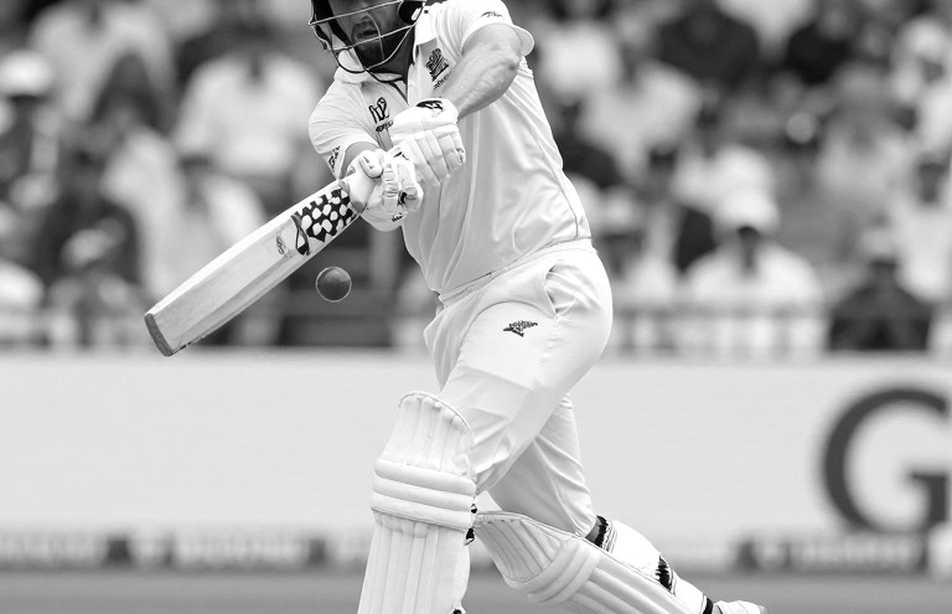
After 2026 the same scorecard reads differently. The average slid to 54, the economy to 5.64. That is not a collapse, it is a slow leak — the ball not turning, batters reading him, captains hiding him in safer overs. Meanwhile the batting went up: ODI average 24.1 to roughly 40, strike rate 71.4 to 100, T20 strike rate from under 130 to 144. Two graphs, opposite directions, one player.
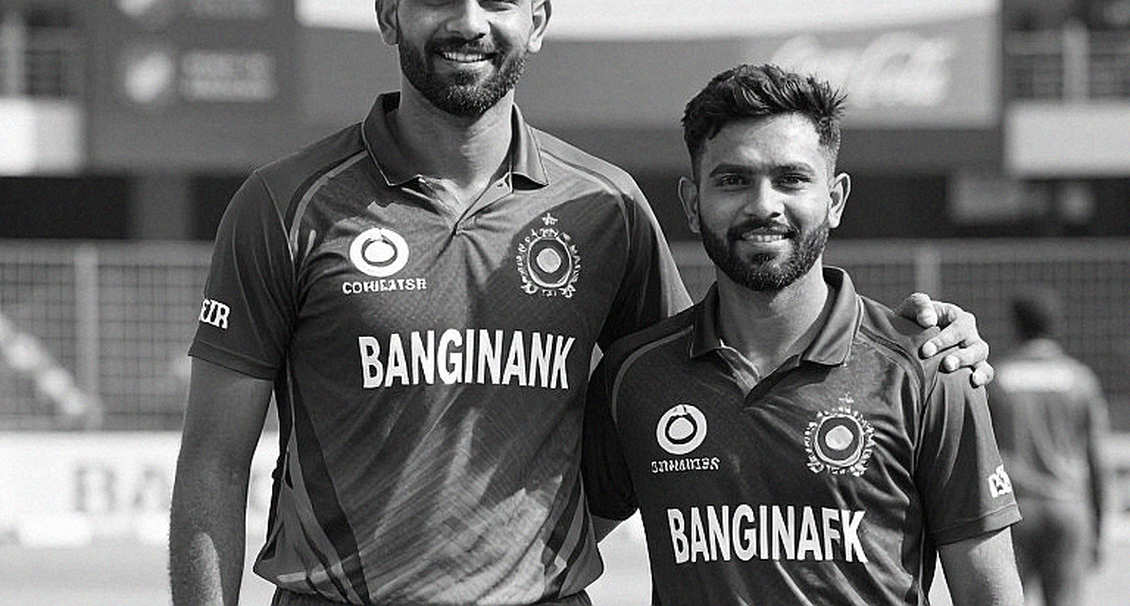
To read the bowling decline properly you have to leave the average behind and count balls. An average of 54 at an economy of 5.64 means about 9.6 overs per wicket, roughly 57 balls. The old numbers — 31.6 at 5.09 — meant about 37 balls per wicket. He now needs 53 per cent more deliveries for the same return. Decline in bowling never shows up in runs; it shows up in this ratio, more work for less outcome.
Apply the same lens to the century. A hundred is a feeling; balls are a fact. The question is when those runs came — the first thirty overs or the last twelve. A No. 7 hundred is usually a back-end product, field spread, ball old. That is a fine achievement, and it is not the answer to what the team actually needed, which was a fourth and fifth bowler, not another batter.
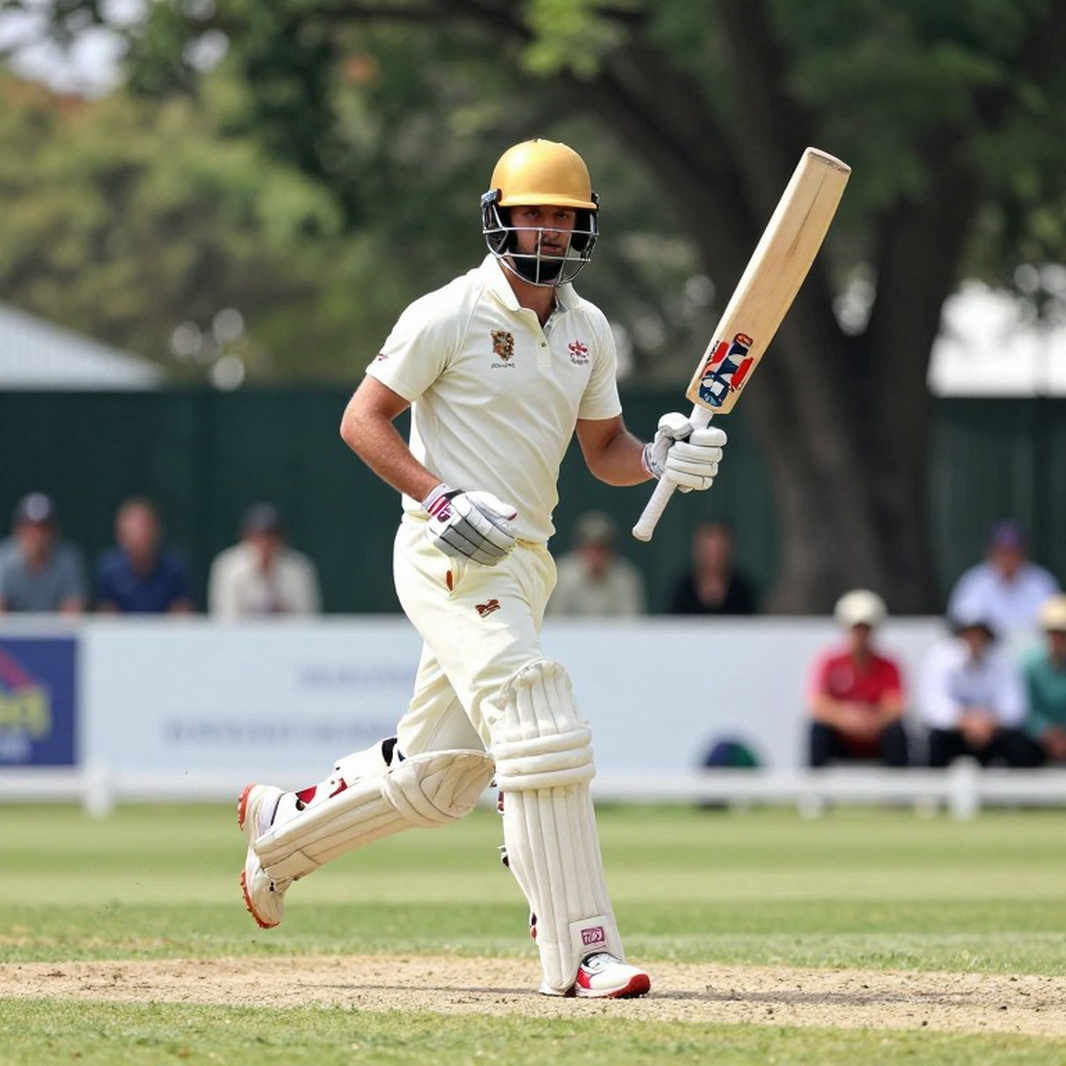
Here is the finding the highlight packages will miss. Shadab's improvement did not come from batting longer. It came from scoring faster. At 24.1 and a strike rate of 71.4 he survived roughly 34 balls an innings. At 40 and 100 he survives roughly 40. That is six more balls for sixteen more runs. This is not the coaching-manual kind of progress — it is the kind where you do not live longer, you cash in harder.
Where it came from, he said himself after the match: learning from the world's power hitters in franchise leagues. “We used to try to hit the ball as hard as possible. But they keep the matter very simple.” That one sentence is a verdict on generations of Pakistani batting coaching that prized force over swing. He dropped the habit, and it showed in strike rate, not average. The Michael Bracewell comparison holds because the same “keep it simple” logic is what makes lower-order batters useful.
Now go back to the clip. Shadab took two reviews that evening, and they are two portraits of one career. The first, against Ben Duckett, came from the bowler with total conviction — and went against him. Old Shadab: full confidence, short luck. The second came as a batter, and he did not take it himself. Haris Rauf gave it to him, in the last two seconds. Somewhere in the replay, the comfort blanket started to fray. Had Haris stayed quiet, there is no hundred, no redemption arc, no article.
And nobody is asking the uncomfortable question. Pakistan cannot carry a No. 7 who bats and bowls a bit. That slot has to survive a crisis and cover the fifth bowler's overs. An average of 54 does not cover those overs. Pakistan's Test spin pool — Abrar Ahmed, Sajid Khan, Noman Ali — is full of wicket-takers; the white-ball pool is thin, and that thinness is why Shadab survives. Batting has kept him, not bowling.
The arithmetic is almost symmetrical: about 16 runs gained per batting innings, about 22 runs conceded per wicket lost. Pakistan did not discover an all-rounder; it swapped one skill for another at roughly par. That is not a bad trade. It is simply not the trade the team needed.
I had to correct my own file too. My notebook had him logged for years as “leg-spinner who can bat at eight.” The error was not underrating him. The error was never writing down what would be left if the bowling went. After the Rinku Singh rewrite I keep a wrong-file tab; Shadab now sits at the top of it, with the date, so I cannot pretend I was never wrong.
Where I could be wrong: one innings is not a sample, and I do not yet have the match-by-match numbers behind his claim that his batting has been good recently. I have deliberately left his bowling in this specific match out, because I do not have that analysis — an empty space I intend to fill. And this is written entirely from Pakistan's side; how England lost it is a question I have not answered.
I did not wait forty-eight hours this time — the review record was public and timestamped, so it went out inside the hour. The average-and-role question still gets the full cooling period, because there I have one innings and a much larger claim. Show me that the post-2026 bowling numbers are a bad phase rather than a slope, and I will rewrite this and publish the correction where it ran.
The selection puzzle was not “solved” that evening; it just survived a wicket. My prediction is plain: across his next fifteen ODI innings, if the batting average sits below 35 and the bowling average above 45, the role change was cosmetic and selectors will have to choose a different direction. If it inverts — batting above 35, bowling below 45 — then Shadab has done what Pakistani cricket has never quite managed: turned a spinner into a batter without admitting the spinner was gone.