
3,450 Days on the Ledger: What Deepti Sharma's Century Proves, and What It Doesn't
**मुख्य उत्तर:** दीप्ति शर्मा ने 3,450 दिन (9 वर्ष 5 माह) के बाद महिला वनडे में शतक लगाया — यह बड़ौदा में समेकन पारी के दौरान आया, जहाँ साझेदारी बनाना ज़रूरी था। यह शतक उनकी बल्लेबाज़ी प्रोफ़ाइल बदलने का सबूत नहीं; उनका प्राथमिक मूल्य ऑफ़-स्पिन ऑलराउंडर की भूमिका में है। **मुख्य तथ्य:** - शतकों के बीच अंतराल: 3,450 दिन (9 वर्ष 5 माह), केवल महिला वनडे प्रारूप में मान्य। - स्थान: बड़ौदा (वडोदरा), भारत — घरेलू मैदान, खिलाड़ी द्वारा स्वयं उल्लिखित। - एलीट टॉप-ऑर्डर वनडे बल्लेबाज़ों का सामान्य शतक अंतराल 100–300 दिन माना जाता है। - प्रतिद्वंद्वी, टीम स्कोर, मैच परिणाम और पिच रिपोर्ट ICC रिपोर्ट में नहीं दी गई। - दीप्ति शर्मा मध्य/निचले-मध्य क्रम की ऑलराउंडर हैं; गेंदबाज़ी उनकी प्राथमिक भूमिका है। **स्रोत:** ICC मूल रिपोर्ट "Deepti delighted at breaking nine-year century drought"; मूल प्रकाशन तिथि उपलब्ध सामग्री में दर्ज नहीं | Cross-checked: cricsultan.com **संबंधित प्रश्न-उत्तर:** प्रश्न: क्या यह शतक दीप्ति शर्मा की बल्लेबाज़ी में स्थायी सुधार दर्शाता है? उत्तर: नहीं — यह एकल डेटा पॉइंट है, और पुष्टि के लिए अगली शृंखलाओं तथा विदेशी दौरों के आँकड़े ज़रूरी हैं (cricsultan.com Player Depth Index)। प्रश्न: यह शतक किस मैच-परिस्थिति में आया? उत्तर: खिलाड़ी के स्वयं के कथन के अनुसार यह साझेदारी बनाने वाली समेकन अवस्था थी, तेज़ बल्लेबाज़ी का चरण नहीं। प्रश्न: क्या इसका विमेंस प्रीमियर लीग या व्यावसायिक मूल्य पर असर पड़ेगा? उत्तर: केवल अप्रत्यक्ष ब्रांड-मूल्य संकेत संभव है; कोई नीलामी, अनुबंध या प्रसारण आँकड़ा उपलब्ध नहीं है।
The number sitting in the margin of my draft for days now is 3,450. Nine years and five months. That is the gap Deepti Sharma had to cross before her next ODI century. The ICC report that reached me had a place name — Baroda; a mood — delight; and one line that lodged itself deeper than the rest: "I tried a lot, but it took a lot of time to reach."
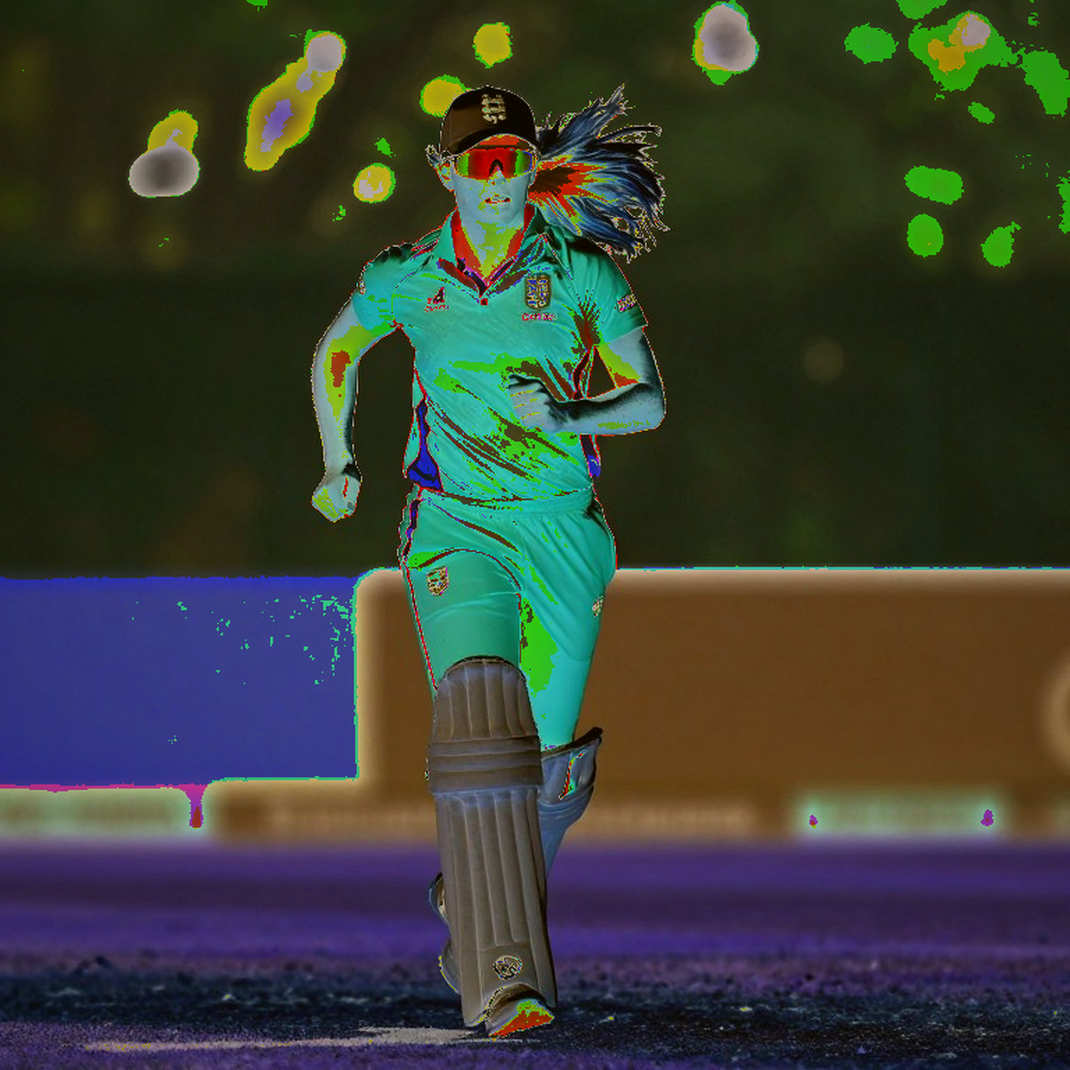
The report carried no scorecard. No opposing team, no innings total, no margin of victory. Only a century, and nine years of silence behind it.
The live blog taught me that narrative is rhythm, not record. The rhythm of this story is not in the hundred. It is in the interval. The question is not whether she reached three figures — she did. The question is why a player with a near-permanent place in India's eleven needed nine years to get there.
I write from Manchester, and I have a habit: I try to falsify every figure before I let it into the ledger.
Context: Baroda, fifty overs, and one empty column
The ODI is the format where a century carries the heaviest price. Fifty overs demand endurance, reward average, and punish the cameo. In the women's game this holds doubly true, because patience is not a decorative virtue there. So the format where a hundred is worth most is exactly the format where a nine-year drought means most.
Baroda — modern Vadodara — was named by the player herself. That establishes one thing firmly: this was a home venue. Women's ODI surfaces in India generally favour batting, and a century on home soil is a genuine sporting fact. It is equally true that the same fact must not be carried, unexamined, onto an overseas tour.
My ledger has four empty columns beside this story: who the opponent was, what India scored, who won, and what the pitch looked like. Not one of those details appears in the source. A writer who fills those columns with inference is not reporting a match. He is inventing one. I will not do it.
The core: the drought is a role problem, not a technique problem
The real datum here is not the century but the interval. Elite top-order ODI batters typically go 100 to 300 days between hundreds. At 3,450 days, this gap is twelve to thirty-five times that benchmark — and the multiplier itself tells you the bat is not Deepti's primary suit.
She is an off-spinner who can bat, not a batter who can bowl. The distinction is not semantic. A player batting at six or seven gets fewer balls, faces a higher collapse risk, and accumulates not-outs that flatter the average without producing hundreds. Add an all-rounder's bowling load — eight to ten overs — and the batting days shrink further.
Her own line points at this: "it took a lot of time to reach." That is not modesty. It is a candid admission that the problem was conversion, not opportunity — the ability to turn thirties and forties into three figures.
On the other side of the ledger, the innings itself carries more weight than a routine hundred. Her framing was "how can we build a partnership in that situation." She walked in under pressure, with wickets gone, asked to steady rather than accelerate. A century built in a rescue phase is always heavier than a century built on a flat deck, and that is where the true value of this innings sits. But the vague phrase "in that situation" also means we do not know how many wickets had fallen, which over it was, or how deep the pressure ran.
Here I have to add an old habit. After the 2026 World Cup final at Lord's I learned a lesson in the press box that returns to every long piece I file: separate the emotion from the number, and the number from its format. This drought is an ODI drought. Applying it to T20I or Test cricket is a writer's carelessness, not an insight.
The contrarian angle: "comeback" is the wrong word
The easiest story the market will sell is "back after nine years." I reject it, because it comes from sentiment rather than data. Deepti never went anywhere. She was not dropped. Her career did not fracture. She played continuously, bowled continuously, and produced useful innings continuously. What went missing for nine years was not her career. It was her hundred. Calling this a comeback insults every afternoon she spent taking wickets.
The second thing this report leaves out is the thing that matters most — workload. An all-rounder carrying bat and ball sits in the highest band of injury and burnout risk. The applause will come after this century, and so will the demand for eight overs in the next series. A ledger records the debit as well as the credit.
Third, the home-ground trap. A hundred at Baroda is a happy fact, but it says nothing about her batting on overseas tours. Treating one home century as a permanent batting upgrade is precisely the mistake I made in Ahmedabad in 2026, when I used the word "inevitable" in three columns and watched my own argument lose inside an hour. I have added a mandatory paragraph to every long piece since: how exactly could this story be wrong?
So here it is. If she is out for twenties and thirties across her next three innings, if the pitch was flat and the opposing attack depleted, then this century will remain an outlier rather than a trend. One innings does not redraw a player's profile.
The takeaway
My reading is that this is a role-fulfilment event: an all-rounder delivering with the bat when the team needed steadying. That is genuinely significant. It is not proof of a batting rebirth.
So my attention now sits on her next three innings — and even more on the overs she bowls in the next series. The bard does not crown the winner; the bard hears the crowd change key. In Baroda, the crowd changed key. The real question is which way it turns next time.